Detection, routing, fallback delivery, and synchronization move as one connected flow across the system.
Emergency intelligence,systems that detect
One ecosystem.
Three linked layers.
Core philosophy
- Detection can happen anywhere.
- Decisions can happen locally or centrally.
- Communication never depends on a single channel.
Edge Intelligence Layer
Mobile devices and IoT nodes detect incidents locally, queue events, and trigger alerts even offline.
Central Decision Layer
The agent engine validates, classifies, and routes incidents while continuously updating the response plan.
Communication Layer
API sync is primary, real-time synchronization is secondary, and GSM/SMS fallback is always available.
No single failure stops the response.
Every event is captured locally first, routed through the best available channel, and synchronized back into the central record when the network recovers.
Incident detected by mobile device or IoT node
Local system prepares emergency data and attempts central delivery
Fallback alert is sent through GSM or SMS if needed
Queued events sync once connectivity returns
Agent engine coordinates the response until resolution
Watch Vektor in Action
The demo shows detection, routing, fallback delivery, and synchronization in one flow so the architecture is easy to understand without testing endpoints in isolation.
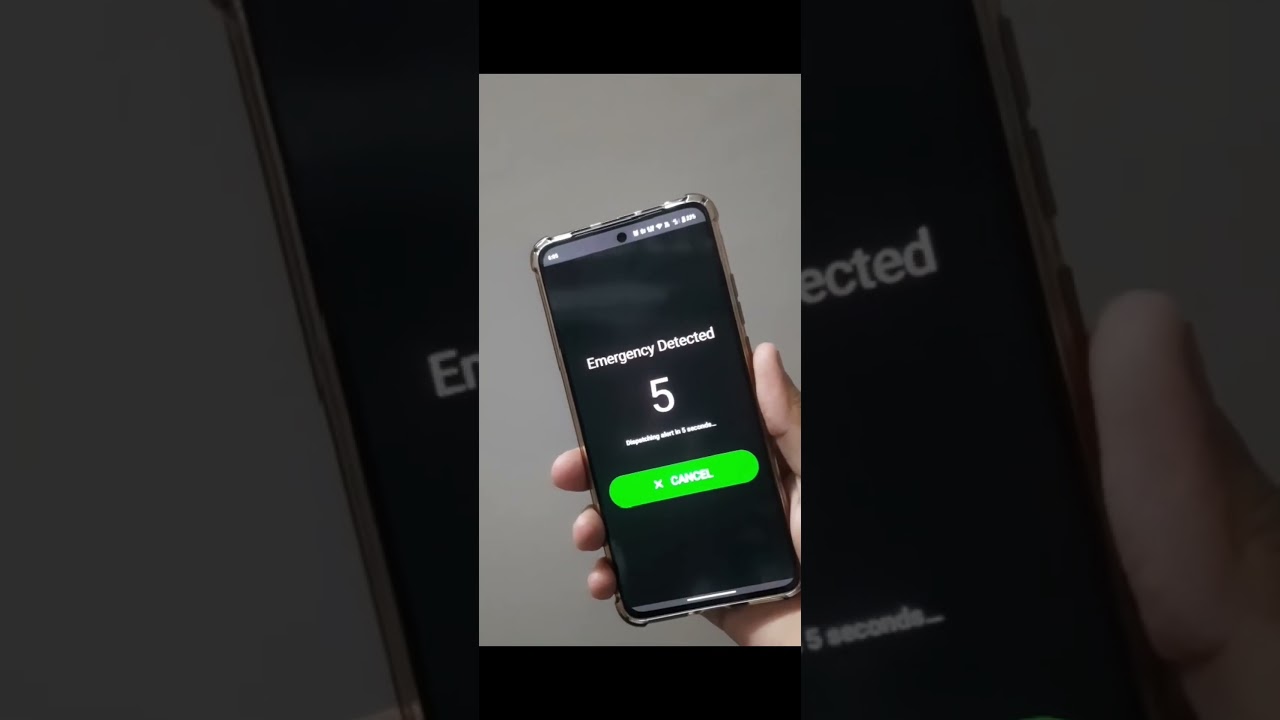
Vektor Live Demo
See the full ecosystem in action
Access Vektor on the go
Download the Vektor Android app to monitor your emergency response system anytime, anywhere. Real-time alerts, live data synchronization, and instant access to your network's status.

Deploy Now
The Vektor Core Agent is running live on Render. Access the full deployment infrastructure, monitor system health, and integrate with your edge devices instantly.
Live Monitoring
Real-time system status and performance metrics
API Access
Full REST/WebSocket endpoints for integration
Auto Scaling
Handles traffic spikes with built-in load balancing
Vektor Ecosystem Codebase
The complete Vektor codebase lives on GitHub. Explore the architecture, inspect the services, and extend the system from a single place.
Modular
Each layer is designed to extend cleanly.
Versioned
Trace changes and ship updates with confidence.
Community Driven
Build with others and share improvements.
vektor-ecosystem
Emergency Intelligence Platform
Modules
12+
Services
8+
Integrations
24+
Latest Release
v1.0.0
Stable production build
Built with modern tech stack
TypeScript
Next.js
Python
FastAPI
PostgreSQL
Redis
See how the ecosystem links together
Detection, routing, fallback delivery, and synchronization stay in one flow, so the architecture is easy to read without testing every layer separately.
Core Agent
Central decision engine & orchestration
GitHub Ecosystem
Source code & documentation
Android App
Mobile monitoring & control
Hyper Grey
Community & resources hub
Live Demo
Interactive flow demo
Synchronized Network
Always Connected
Real-time synchronization across all components
Connected Layers
Every part of the flow feeds the next one cleanly
Clear Handoffs
Each node maps to a distinct responsibility in the architecture